Most Popular
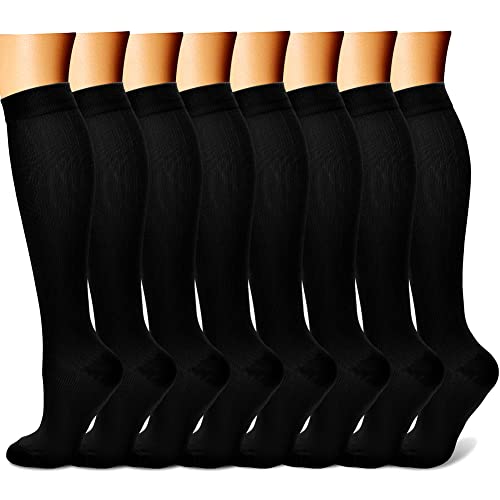
CHARMKING
CHARMKING Compression Socks (8-Pack)
An 8-pack of cushioned 15-20 mmHg everyday socks — one of the most popular on Amazon.
- 15-20 mmHg graduated
- Moisture-wicking, odor-free
- Cushioned, machine washable
15-20 mmHg socks give mild everyday support; 20-30 mmHg is firmer and usually doctor-directed. Compare strength, uses, fit, and who should ask first.
Product details and Amazon ratings checked
Start with 15-20 mmHg if the goal is everyday comfort for tired or mildly swollen legs and no doctor has set a level. Choose 20-30 mmHg when a doctor recommends it, for example for varicose veins or more swelling. Cleveland Clinic lists stockings of 20 mmHg and up as needing a prescription.
As an Amazon Associate we earn from qualifying purchases. Read our affiliate disclosure.
CHARMKING
An 8-pack of cushioned 15-20 mmHg everyday socks — one of the most popular on Amazon.
CHARMKING Compression Socks (8-Pack): Best for everyday comfort, long sitting, travel, and mild end-of-day swelling.

Physix Gear
The most-reviewed medical-grade compression sock on Amazon: firm graduated support with a seamless toe.
Physix Gear Compression Socks (20-30 mmHg): Best when a doctor has recommended firmer compression for a specific condition.
Pressure level
Prescription
Swelling
Putting them on
Example
Ask a doctor first
Tap a question to see the answer.
Still deciding between types? These weigh up the next choice.