Updated · Published August 13, 2026
CHARMKING Compression Socks Review (2026)
An in-depth review of CHARMKING 15-20 mmHg compression socks — what that pressure range actually treats, why an 8-pack matters for daily wear, and when to see a doctor before buying.
As an Amazon Associate we earn from qualifying purchases. Read our affiliate disclosure.
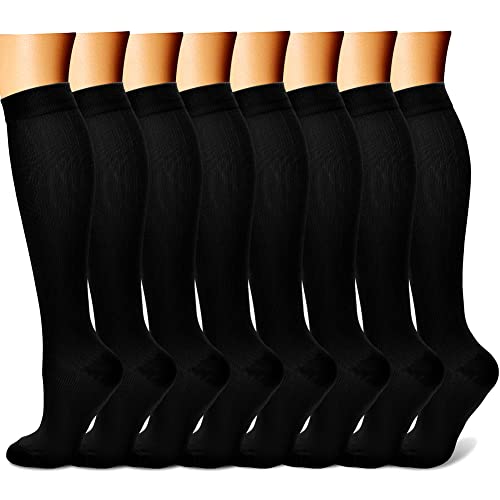
CHARMKING Compression Socks (8-Pack)
Verdict: The right compression level for everyday swelling and long travel, in a pack size that makes daily wear practical rather than aspirational.
Best for: everyday wear, long travel, standing all day.
Compression socks are one of the few products here that can be actively wrong for the wearer, so this review spends more time than usual on who should not buy them. For the right person, 15-20 mmHg is the level that addresses everyday aching and swelling, and the eight-pack format is what turns "I should wear those" into something that actually happens daily.
Why it works for seniors
The pressure grade is the specification that matters. 15-20 mmHg is the standard over-the-counter range for tired legs, mild swelling, long flights and long days on the feet. It is firm enough to help venous return without the fitting requirements that come with 20-30 mmHg and above, which are prescribed for diagnosed conditions and should not be self-selected.
The pack size sounds like a marketing detail and is not. Compression socks only work on days they are worn, and a two-pack means the wearer runs out on laundry day and skips it. Eight pairs makes daily wear the default.
The knee-high cut matches the advice: nearly all swelling guidance assumes graduated pressure from ankle to just below the knee, and thigh-high or ankle-length socks are solving different problems.
Specifications
Specifications
| Compression | 15-20 mmHg |
|---|---|
| Count | 8 pairs |
| Fit | Knee-high |
| Material | Cushioned |
Pros and cons
Pros
- 15-20 mmHg is the correct range for everyday swelling and travel
- Eight pairs makes daily wear practical
- Cushioned footbed is comfortable for all-day use
- Knee-high cut matches standard swelling guidance
- Wide range of patterns, which helps compliance
Cons
- Not suitable for diagnosed venous disease without medical advice
- Hard to pull on with weak hands or limited reach
- Elasticity fades after three to six months of regular wear
Who it's best for
Best for
Legs that ache or swell after standing, long flights and car journeys, and anyone on their feet all day. Put them on in the morning before the swelling starts.
Skip it if
Hand strength or reach is limited and you have no donning aid. The socks that never get pulled on help nobody, and a butler frame changes that more than a different brand will.
Check with a doctor first
Compression is not right for everyone. If there is diabetes, peripheral arterial disease, neuropathy, skin ulceration or heart failure in the picture, ask a doctor before wearing compression socks of any grade. This is general information, not medical advice.
Alternatives worth considering
- Need a firmer grade? 20-30 mmHg exists for diagnosed venous insufficiency, but should be fitted on medical advice — see our compression sock roundup.
- Struggling to pull them on? A donning aid or dressing stick is the accessory that makes the difference.
- Slippery floors the real worry? Grip socks address falls; compression addresses circulation. They are different jobs.
The verdict
If the legs ache and swell after a day standing and there is no circulatory diagnosis in the picture, this is the sensible everyday choice — right pressure grade, right length, and enough pairs to make it a habit. The two reasons to pause are a medical condition that makes compression inadvisable, and hand strength that makes them impossible to put on. Both are worth resolving before ordering rather than after.
Check Price on Amazon(opens Amazon in a new tab)Frequently Asked Questions
Tap a question to see the answer.